In food packaging and processing machinery, component cleanliness and corrosion resistance are critical. However, full stainless steel isn’t always required to meet hygiene and durability standards. For many washdown environments, hybrid corrosion protection offers an effective alternative at a fraction of the cost.
Here is how machine builders and plant engineers can evaluate washdown requirements, select appropriate component treatments, and optimize gearbox performance without overspending.
1. Evaluating Washdown Risk: Full Stainless vs. Hybrid Protection
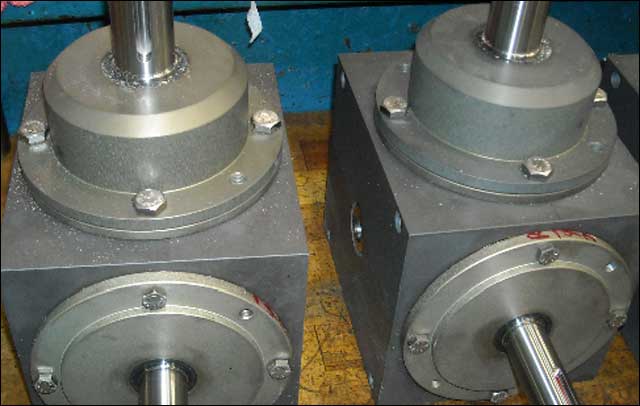
Before specifying a gearbox, assess where the drive components sit relative to product zone exposure:
-
Direct Food Contact / Primary Washdown Zone: Requires full stainless steel construction, IP69K sealing, and strict sanitary design to withstand daily caustic chemicals and high-pressure hosedowns.
-
Secondary / Under-Machine Zones: Components mounted underneath machines or shielded by stainless cover panels face high humidity and periodic splashdown rather than direct caustic streams. In these areas, full stainless steel is often cost-prohibitive and unnecessary.
2. Engineered Materials for Secondary Washdown Environments
Standard industrial gearboxes feature cast iron housings and carbon steel shafts, both of which rust rapidly when exposed to moisture. When paint coatings fail or chip into packaging lines, alternative materials must be implemented:
| Component | Standard Material | Corrosion Protection Alternative | Key Benefit |
|---|---|---|---|
| Housing & Covers | Cast Iron / Soft Aluminum | Hard-Anodized Aluminum | Hardened surface layer resists wear, moisture, and mild cleaning agents without chipping. |
| Drive Shafts | Carbon Steel | Stainless Steel or Chrome-Plated Steel | Prevents surface rust at oil seal contacts, preserving sealing integrity. |
| Fasteners | Socket Head Bolts | Stainless Steel Hex Bolts | Eliminates internal cavity recesses where standing water and bacteria collect. |
| Plugs & Hardware | Raised Hex Plugs | Flat Stainless Spanner Plugs | Provides a smooth, flush exterior surface to prevent liquid pooling. |
3. Eliminating Bacteria Trap Points (Sanitary Design Principles)
Corrosion protection extends beyond surface chemistry to physical design. To meet sanitary standards:
-
Minimize Housing Cavities: Specify custom housings stripped of unused mounting holes, deep fins, or unmachined cavities where washdown fluid can pool.
-
Implement Flush Hardware: Replace standard internal socket-head screws with flush-mount spanner plugs or hex-head fasteners to simplify wipe-downs.
-
Utilize Food-Grade Lubrication: Fill gear units with high-performance synthetic food-grade lubricant rated for virtual lifetime operation (20,000+ hours). This minimizes maintenance touchpoints and eliminates potential batch contamination risks.
4. Balancing Customization and Acquisition Costs
Custom housing modifications and stainless steel shafts are economical even in low volumes when applied selectively to standard gearbox frames:
-
Targeted Upgrades: Restricting stainless steel to high-wear, direct-exposure components (such as output shafts and fasteners) keeps material surcharges low.
-
Standardization across Lines: Consolidating drive configurations across multiple machine lines allows OEMs to utilize blanket ordering, lowering per-unit acquisition costs through economies of scale.
Optimize Your Washdown Drive Design
Looking to improve motion control backlash while protecting your drives against washdown failure? Contact our gearbox consultants to discuss custom housing modifications, material options, and low-backlash spiral bevel gearboxes engineered for your exact application parameters.