Spline Shaft Gearboxes Synchronize Motion
We guided a client to choose a spline-shafted spiral bevel gearbox over a keyed shaft to create better motion synchronization across two rollers in a common application.


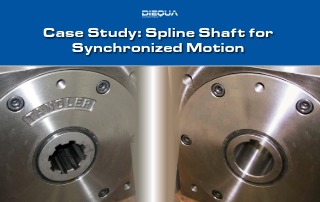
We guided a client to choose a spline-shafted spiral bevel gearbox over a keyed shaft to create better motion synchronization across two rollers in a common application.
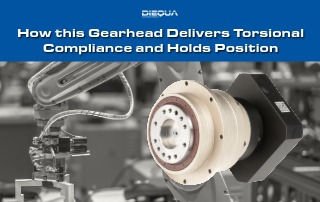
When a high-inertia load is rapidly accelerated and abruptly decelerated, dynamic torque spikes exert intense force across the gear train. In standard gearhead designs, three internal components act like torsion springs. The PHF Series gearhead corrects for that situation by offering torsional rigidity to resist twisting and provide high accuracy precision.
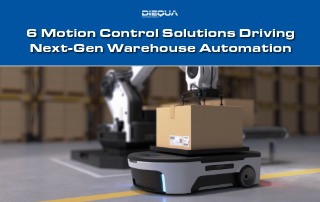
Uptime and precision are top of mind for engineers designing modern automated distribution centers and warehouses. The difference between seamless operations and unexpected downtime of high-speed sorting gates, autonomous mobile robots (AMRs), and multi-axis transfer systems comes down to selecting the right motion control components. Below, we break down critical motion control and power transmission solutions engineered to solve space constraints, dynamic shock loads, and high-duty cycles across warehouse automation.
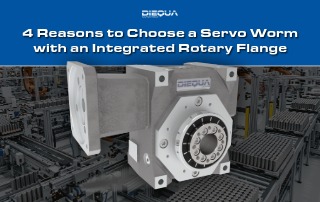
Here is why pairing a right-angle servo worm with an integrated rotary flange is becoming the preferred choice for modern machine design.
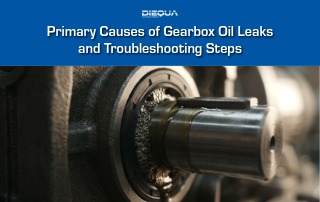
Gearbox seal leaks are the bane of industrial operations. Because proper lubrication is the lifeblood of enclosed drives, maintaining oil levels is critical to achieving a long service life. When oil starts leaking, immediate corrective action is necessary—but finding the root cause isn't always straightforward. The causes of a leaking seal can vary widely based on the gear type, mounting orientation, operating speed, and surrounding environment. Below is a real-world troubleshooting case study and a breakdown of the primary factors to investigate.
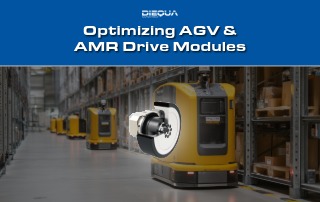
In mobile robotics design, drive module selection is always an exercise in managing trade-offs. As Automated Guided Vehicles (AGVs) and Autonomous Mobile Robots (AMRs) are tasked with carrying heavier payloads in smaller chassis footprints, traditional gearbox-and-wheel layouts quickly run into physical limits. Designing an efficient drive system requires balancing structural load support, energy efficiency for battery preservation, and tight spatial constraints. Here is a look at how specialized planetary gearheads address these specific mechanical bottlenecks.
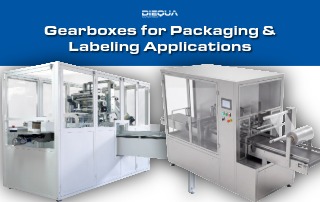
In the high-speed world of packaging and labeling, every millisecond counts. Modern operations demand continuous uptime, precise motion control, and high torque output in compact footprints. Whether managing bottling conveyors, high-speed labeling heads, or robotic palletizing cells, selecting the right gearboxes is essential to prevent costly downtime and operational bottlenecks.
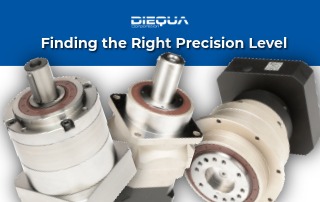
Selecting the right servo gearhead is rarely a one-size-fits-all decision. Torque requirements, radial load capacities, backlash limits, and duty cycles vary dramatically across packaging line indexing, high-speed pick-and-place robotics, and custom material handling. Choosing a gearhead with inadequate performance leads to premature mechanical wear or positioning errors, while over-specifying unnecessarily inflates costs.
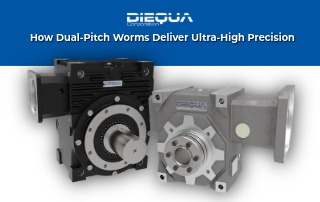
When designing a machine that needs to turn motion 90 degrees, engineers usually look at standard planetary gearheads or traditional worm reducers. Standard worm gears are great for high reduction ratios in tight spaces, but they come with two well-known headaches: backlash and friction. The DieQua Precision Worm (DPW) series takes a different approach. By using dual-pitch gear teeth and advanced metallurgy, it minimizes backlash without ruining tooth alignment or cutting into gear life. 1. How Dual-Pitch Teeth Control Backlash In a standard worm gear, the [...]
Why Real Engineering Support Matters: Inside DieQua’s Engineer-to-Engineer Approach When you are designing a complex motion control system or power transmission setup, off-the-shelf components rarely tell the whole story. Oversizing leads to excess costs and unnecessary weight, while undersizing risks catastrophic machine failure. Getting the exact right drive solution requires more than just browsing a catalog—it requires technical collaboration. At DieQua, we don’t just sell gearboxes and power transmission components; we partner with you to engineer solutions. Our engineer-to-engineer approach ensures that from your very first inquiry, you’re speaking directly with an [...]

© 2018 - 2026 DieQua Corporation | All Rights Reserved